-
While hiking, keep an eye out for different animals - mammal, reptile, bird, fish - and let everyone know when you see one.
If it is one you want to observe, fill out the observation card for it. Do 6 animals.
- What are some examples of producers, consumers, and decomposers in a food chain?
A producer is anything that produces its own food, such as plants and plant parts.
A consumer is a living thing that relies on other living things to survive.
Primary consumers eat plants - mice, rabbits, ...
Secondary consumers eat animals - snakes, birds, frogs, ...
A decomposer is a living thing that breaks down other living and non- living things into nutrients and energy so they can be reused again by producers.- worms, insects, fungi, ...
- What is the "balance of nature"?
producing, consuming, decomposing - over and over and over
- How have humans changed the balance of nature?
Humans are responsible for grand-scale redistribution of chemicals on Earth.
Fires and other forms of combustion result in a breakdown of both living and non-living things.
Living plants are generally able to recycle the compounds produced from their metabolic activities.
This ensures a cycling of chemicals that living matter is made of.
But factories and cars and other man-made things have little or no built-in mechanisms for recycling.
So, humans have to rely on manual recycling as a means of reducing the non-natural byproducts we make.
But not all man-made things are recyclable!
The atmosphere and the hydrosphere now contain much of the non-reduced compounds.
This has resulted in much environmental damage in the air we breathe and the protection we should receive from sunlight.
- How can we help protect the balance of nature?
Reduce, Reuse, Recycle.
- What are the main Bird Flyways in North America? Pacific, Central, Mississippi, Atlantic
- Which one is Minnesota part of? Mississippi
- What kinds of birds migrate through Minnesota? geese, duck, heron, robins, scarlet tanager, sparrows, grosbeak (more)
over 400 bird species in Minnesota. MN Bird Checklist
- What is the Minnesota state bird? Common Loon
- What poisonous plants are there in Minnesota?
poison ivy - Erect shrub, or most often climbing or trailing; leaves alternate, with 3 leaflets, each smooth margined or shallowly lobed;
flowers small in axillary clusters; fruit a smooth, yellow drupe.
poison oak - Erect shrub, not climbing; leaves alternate, with 3 leaflets, each shallowly lobed; flowers small in axillary clusters; fruit a hairy, yellow drupe.
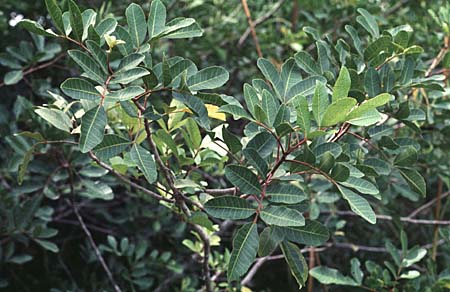
poison sumac - Shrub; leaves alternate, pinnately divided with 7-13 leaflets, the leaf stalk reddish; flowers small in axillary clusters; fruit a smooth, yellow drupe.
stinging nettle - Perennial, erect herb with stinging hairs; leaves opposite, simple, coarsely toothed, narrowly heart-shaped; flowers small, greenish, in axillary clusters.
- How can a dog run through poison ivy and not get irritated? Should you pet your dog after it ran through poison ivy?
a dog's coat keeps the poison from reaching its skin, but the poison is still there and will get on your hand if you touch it.
- Are snake poisonous or venomous? What is the difference?
venom is injected. poison is absorbed or ingested.
- Snakes are scarey. It would be much better if there were no snakes at all. Do you agree with that?
snakes eat mice and other rodents.
- Do you know what a 'dry bite' is? being bitten but having no venom injected.
- What venomous reptiles are there in Minnesota? timber rattlesnake massasauga snake
|